A practical guide to accommodation, venue logistics, dining and the details to check when planning an Adelaide casino visit.
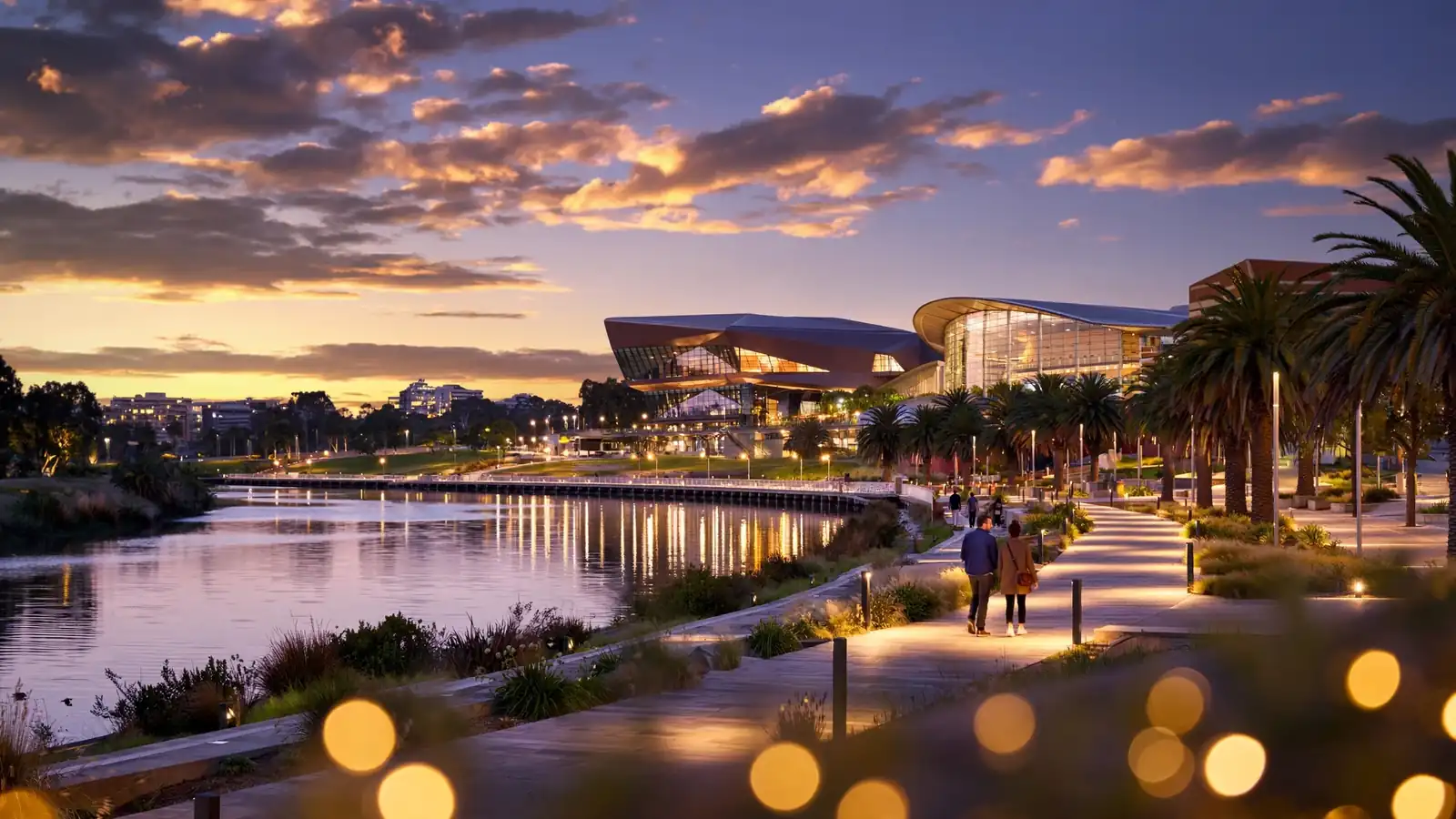
A hotel stay can make an Adelaide casino visit easier to plan, but the wording of a booking page matters. A hotel described as being for a casino visit is not necessarily inside the casino, operated by it or connected to it. I would confirm the relationship directly rather than read “casino hotel” as a promise of an on-site room.
Start with the practical question: where will you be sleeping, and how will you get to and from the venue? Check the hotel’s address against the casino’s official address, then look at the route between them using a map. A short-sounding description can still leave you with a walk or transport arrangements you did not expect. I have trusted a convenient label before and only later checked what it meant. Not my best planning.
For hotel rooms, read the room description rather than relying on a photograph or a package name. Confirm what is included, whether the room type you want is actually available for your dates, and what the booking conditions say about changes or cancellation. If you need a particular bed arrangement, accessibility feature or other room detail, ask the hotel to confirm it in writing before paying. A broad “stay and play” label tells you little about the actual room.
If you’re looking for an online casino option while in Adelaide, this list gives you a concise set of operator details to consider for 2026. Check the available licensing and payment information against what matters to you before choosing.
Golden Pokies
Golden Pokies is listed with a Curaçao licence. You can use that as a starting point when checking its licensing details.
Rollero Casino
Rollero Casino lists a Curaçao Gaming Control Board licence, OGL/2023/176/0095, held by Hollycorn N.V. You can refer to the licence identifier when reviewing its credentials.
Uptown Pokies
Uptown Pokies is stated to have operated since 2017 and lists a minimum deposit of A$20. Its licence is Curaçao.
SkyCrown
SkyCrown lists a Tobique Gaming Commission licence and a A$30 minimum deposit. Its stated payout times are around 10–15 minutes for crypto and 1–5 days for fiat.
Thor Casino
Thor Casino lists a Curaçao licence through Antillephone N.V. (Versus Odds B.V.) and a minimum deposit of EUR 20. You can note both details when considering it.
SpinsUp
SpinsUp lists a Curaçao Gaming Control Board licence, OGL/2023/174/0082, held by Dama N.V. You can use the licence number to identify the stated credential.
7Bit Casino
7Bit Casino is listed as operating under Curaçao licensing and is operated by Dama N.V. Those are the available details to consider.
Roby Casino
Roby Casino lists Curaçao eGaming licensing, with Roby Games Ltd named as the licensee. You can check those details as part of your assessment.
Lucky Dreams
Lucky Dreams lists a Curaçao licence and a A$20 minimum deposit using POLi. You can take both details into account when reviewing the option.
House of Pokies
House of Pokies lists an international iGaming licence, but the jurisdiction is not named in the available information. Its stated PayID payout time is 1–24 hours, with a A$30 minimum deposit or A$10 when depositing by PayID.
An Adelaide casino hotel deal may look appealing because several parts of a trip are presented together. Before booking, check what the price covers and whether any stated benefit has conditions. Look for the total cost shown at checkout, not just the first price on a page. Also check payment timing, cancellation terms and whether the offer applies to your dates and room choice.
I would treat words such as “exclusive” or “special” as decoration until the terms explain the value. Compare the offer with booking the room separately, using the same dates and room type. If the deal depends on a casino visit, make sure the details are clear: what you receive, how you claim it and whether there are restrictions. If those points are hard to find, ask before booking. A vague bundle is still vague when it has a glossy name.
Do not assume that a hotel has rooms reserved for casino visitors, or that a casino visit includes accommodation. Check with the property and the venue separately if the connection matters to your plans. That small bit of checking can prevent a mismatch between what you thought you booked and what the confirmation actually says.
The venue’s opening hours can affect when you want to arrive or leave, but hours can change. Check the current hours through the venue’s official information close to your visit, and confirm any details that matter to your itinerary. Do this before choosing a late arrival or planning around a particular time. A hotel booking does not confirm that the casino will be open when you expect it to be.
If a hotel page mentions access, packages or guest benefits linked to the casino, verify those details with the hotel and the venue rather than assuming they are current. Keep the confirmation handy, including the room type, dates and any conditions attached to the offer. That is more useful than a screenshot of a promotion with the fine print cut off.
The best fit is not automatically the closest property or the one with the loudest deal. It is the stay whose location, room details, booking terms and timing suit your plans. Check those pieces one by one, and book only when the details line up. No guesswork.
If you’re considering poker at Adelaide Casino, separate the general idea of a poker room from the details that determine whether a visit will work for you. I’ve learned not to treat a venue name or an old event mention as proof that a game is running now. Poker access, formats and schedules can change, so confirm the specific details before making plans.
Start by checking whether poker is currently offered to visitors and, if so, what kind of play is available. A cash game and a scheduled tournament are different propositions: one may involve joining a table when a seat is available, while the other may require advance registration or a place in a particular event. Don’t assume that finding information about one confirms the other.
For tournaments, look for a current listing and read the conditions rather than relying on a copied calendar entry. Check the event date, registration process, start time, format and any rules about late entry or re-entry. If a detail is unclear, ask the venue to confirm it before setting off. A tournament page that remains visible online can be out of date. Old listings linger.
It’s also worth checking what you need to bring and how entry is handled. Ask whether you need to register in advance, whether places can fill, and what identification or other requirements apply to poker play. I wouldn’t travel on the assumption that a seat will be waiting just because a tournament appears in a general listing.
The same care applies to searches for casino rooms. That wording can mean poker tables, but it can also point to accommodation or other rooms associated with a venue. Be precise when contacting the venue: ask specifically about poker tables or tournaments, not simply “rooms”. It saves a round of crossed wires.
A sports bar is another separate question. A venue’s poker offering does not establish that it has a sports bar, or that a particular match will be shown there. If watching sport is part of your plan, confirm that independently, including whether the bar is open at the time you intend to visit. “Open today” is not enough on its own; opening hours for the venue and availability of poker may not be the same thing.
When you check current information, favour a direct, recent venue update over a third-party page with no clear date. If you can’t find a current poker schedule, ask whether games are running that day and whether the answer applies to tournaments, cash games or both. That small distinction matters. I’ve seen how easy it is to mistake “poker is offered” for “there’s a game I can join tonight”.
Before travelling, keep the essentials together: confirmation of the game, the date and time, the registration or seating process, and any entry requirements. If the information is incomplete, treat it as unconfirmed rather than filling in the blanks yourself. It’s less exciting than assuming the best, but it’s a lot less likely to waste your evening.
When I’m planning a casino visit, I try to separate three things that can get blurred together: a development announcement, a change to day-to-day operations, and something I can actually attend. They may all appear in the same news cycle, but they answer different questions. Is work proposed, under way or finished? Has access or operation changed? Is there a dated event with details for visitors? I want the last two answered before I build an evening around it.
Development news can sound more definite than it is. Words such as “planned”, “approved” and “opening” describe different stages, so I look for the date and context of an announcement rather than relying on a headline alone. A proposal is not proof that a change has been completed; a completion announcement does not, by itself, tell you what areas are available to the public. That distinction matters when you are deciding whether to visit now or wait.
The same care applies to questions about whether Adelaide Casino is open or has reopened. A broad statement about a venue’s status may not settle whether a particular space, service or event is operating on the day you intend to go. I’d check a current official update close to the visit and look for a specific date, not assume an old article still describes the present arrangement. Small step. Less guesswork.
For entertainment and events, look for a listing that gives the event name, date, start time, location and any entry conditions. If one of those details is missing, I would treat the listing as something to confirm, not as a finished plan. A venue calendar and an event organiser’s own notice can help distinguish a confirmed programme from a passing mention or an old promotion. Keep an eye on when the information was posted, too.
I have made the mistake of reading “what’s on” as if it meant “what will be on when I arrive”. It doesn’t. Listings can be time-specific, and a venue’s general entertainment description is not the same as a confirmed event for your chosen night. Save the relevant notice or check it again before setting off. That is a less glamorous way to plan, but it beats turning up with the wrong expectation.
If you’re looking at development as a potential source of work, separate construction or project news from employment information. A development announcement does not establish that the casino is hiring, or that a role is connected to the venue’s ongoing operations. For a genuine vacancy, look for a current position description, employer details and application instructions from an official recruitment channel. I’d avoid treating an old job post or a general statement about growth as evidence that applications are open.
For a broad view of Adelaide Casino, begin with current venue notices, then check the particular event or employment information that matters to you. Don’t let an ambitious headline do the work of a dated, specific update. Plans change; the detail is what counts.
Planning a casino visit in Adelaide brings up practical questions that are easy to mix together: where to leave the car, whether you can eat at the venue, and what people mean by an “online casino” connected with Adelaide. I’d treat those as separate checks. A venue visit and online gambling do not follow the same rules.
For parking, check the venue’s current visitor information before you set off. Confirm where public parking is available, whether access or fees have changed, and what alternatives are nearby. I wouldn’t rely on an old map pin or a review that happens to mention parking: it may not reflect today’s arrangements. If you’re meeting someone or have a tight schedule, check the route and parking details together rather than assuming the closest-looking car park is the right one.
Dining needs the same current check. Look for the venue’s own listing of places to eat and confirm what is open on the day you plan to visit. Search results can leave you with a vague idea that dining is available without telling you whether a particular outlet is operating, or whether it suits lunch. I’ve learned not to build a whole outing around a name or opening time copied from an old page. Check first. Less guesswork.
Legal Warning
Under the Interactive Gambling Act 2001, it is illegal for an Australian-run operator to provide real-money online casino games to people in Australia.
Bingo is another detail not to assume. A mention of bingo in a listing or discussion does not establish that it is currently offered at the venue. If that is the reason for your visit, verify it through an up-to-date venue channel before making plans.
The online question is different, and the legal distinction matters. Under the Interactive Gambling Act 2001, it is illegal for an Australian-run operator to provide real-money online casino games to people in Australia. That includes games such as pokies, blackjack and roulette. A search for an Adelaide online casino does not mean a local casino app or website is a lawful way to play those games.
Offshore platforms sit in a legal grey area: Australian players are not technically committing an offence simply by using one, but those platforms are not regulated under Australian law. That is not the same as being approved or protected locally. I wouldn’t treat an overseas licence, an Adelaide-themed page or the word “licensed” in advertising as proof that an operator is authorised to offer online casino games to people here.
So, if you mean visiting a casino in Adelaide, check current parking and dining details directly before travelling. If you mean playing casino games online from Australia, don’t confuse an offshore site’s availability with local regulation. The two questions may appear side by side, but they need very different answers.
Looking for accommodation near Adelaide Casino is really a choice about how you want the whole trip to work, not just a hunt for the closest bed. I’d start with the parts of Adelaide you plan to visit, how you’ll get around, and whether you want to return to your room between activities. A map can help compare areas, but check the route and transport options yourself rather than treating a pin as proof that a place is easy to reach.
“Near” is doing a lot of work in accommodation listings. It might mean a short walk, a trip by public transport, or simply somewhere in the wider city. Before booking, check the property’s address, the route to the venue, and whether that route suits your plans at the time you expect to travel. I’ve learned not to assume that a listing’s headline tells me what the journey will feel like. A map and the property’s own details are more useful than a vague claim of convenience.
The Adelaide Casino location can be one point on your itinerary, but it needn’t dictate every other choice. If you’re comparing places, look at the full address and the practical details: check-in arrangements, cancellation conditions, accessibility information, and what is included in the quoted rate. Read the current terms before paying. A “deal” is only useful if its conditions fit your trip.
Accommodation offers connected with a casino visit can change, and a mention of a promotion is not enough to establish what is available or what it includes. Confirm any offer directly with the accommodation provider, including dates, eligibility, and cancellation rules. Don’t assume that a casino promotion covers a room, or that a room offer includes anything at the venue. Keep the booking confirmation and the terms together. Boring, but useful.
I’d also separate a place to stay from a plan to gamble. A room booking does not tell you whether gaming machines are operating, what the venue’s opening times are, or whether a particular activity is available. Those details can change, so check current venue information separately if they matter to your plans. Treat phrases such as “casino accommodation” as a description of your search, not a guarantee of a package or a particular service.
For a smoother comparison, shortlist places by location first, then compare the conditions that affect your stay. Check how you’ll travel to the venue and back, especially if your plans run late; don’t assume the nearest-looking option will suit your schedule. If you need parking, confirm directly with the accommodation provider what is offered and whether arrangements need to be made in advance. The casino’s own parking information is a separate check.
I wouldn’t book on the strength of a headline price or a promise of proximity. Confirm the address, route, booking terms, and any claimed offer before committing. That takes a little more time than clicking the first appealing listing, but it leaves fewer surprises when you arrive.
When I’m trying to pin down a casino visit, I don’t treat a map result or an old listing as confirmation. Venue details can change, and a search snippet can outlive the information it summarises. For Adelaide Casino contact details, use the venue’s current official website or its verified social channels, then check that the page is actually maintained by the venue. I wouldn’t rely on a phone number copied into an old directory without checking it against an official listing.
If you need to call, be clear about what you’re asking: whether a particular event is running, whether a bar is open, or where to find current access information. That makes it easier to get a useful answer instead of assuming a general contact line can confirm every detail. Keep the relevant page open while you check. A quick cross-check beats arriving with a plan built around stale information.
A bar listing can tell you that a venue has been mentioned in connection with a drink, but it may not tell you whether it is open on the day you plan to go. Check the venue’s own current information for operating details and any conditions that apply. I’ve learned not to read “open” as a promise that every service will be available throughout the evening. Small distinction. Big difference.
The same goes for baccarat or craps. A game name appearing in a directory, an older post or a photo does not confirm that a table is currently offered, what its hours are, or whether access is subject to conditions. If a particular game matters to your plans, ask the venue directly and get a current answer before setting off. Don’t mistake an old mention for a live schedule.
Concert listings need the same scrutiny. Look for the event date, venue details and ticketing information on current official pages, and check for updates before travelling. If the listing is from a third party, use it as a lead rather than your final confirmation. “On tonight” can become “not on tonight” quickly. Check twice.
A map is useful for orientation, but it does not necessarily confirm the best entrance, current access arrangements or whether a car park is available for your visit. Check the venue’s current directions and parking information before you leave, particularly if you are arriving for a specific event. If you need accessibility information, ask the venue rather than inferring it from a map pin or street view.
Prefer an official venue map if one is available, or compare map service directions with current venue guidance to ensure the best entrance and access.
When checking a car park near the casino, make sure the listing refers to the place you intend to use and not simply a nearby location. Confirm any relevant access or operating details through an up-to-date source. I wouldn’t plan around a parking assumption pulled from a review written at an unknown time.
For a map, prefer an official venue map if one is available; otherwise, compare the map service’s directions with current venue guidance. Save the details you need before setting out. A little checking up front is less annoying than discovering your information was old when you’re already there.
Breakfast is one of those details that can make a casino visit feel straightforward or turn into a bit of guesswork. I would not assume Adelaide Casino has a breakfast service just because a page or old listing uses that wording. Menus and service times can change, and a buffet mention may refer to a past offering rather than something available now.
If breakfast is the reason you are planning around the venue, look for a current listing from the venue itself. Check that it describes breakfast specifically, not simply dining, and confirm the day and service hours before setting off. The same goes for a buffet: a search result or photo is not proof that a buffet is operating today. “Buffet breakfast” sounds definite; the useful detail is whether it is currently offered and under what conditions.
I have learned to treat broad labels as a starting point, not a promise. “Casino resort” can suggest a bundled destination, but the phrase alone does not establish what facilities are on site. Check each service separately rather than assuming that a resort-style description guarantees breakfast, a buffet or other amenities. Simple, but worth doing.
Rewards can also appear alongside breakfast or resort information, but a mention of a rewards scheme does not tell you what it includes. Before relying on a claimed benefit, find the current terms and check whether it applies to the service you want, how eligibility works and whether any exclusions apply. Do not build a meal plan around a benefit that is described only in an old post, a promotional snippet or a third-party listing.
The same cautious approach helps when you see words such as “exclusive” or “member offer”. They sound generous; the details decide whether they matter to your visit. If the terms are unclear, ask the venue directly before you make plans.
For people seeking work, casino job listings deserve the same date-checking. A role mentioned in an old article is not evidence that applications are open, and a general careers page does not confirm a vacancy in a particular team. Look for a current advert from the employer, read the role description and check the application instructions before sending personal information.
It is also worth separating jobs at a casino venue from roles at nearby businesses or contractors. A listing may use the venue’s name to describe its location without meaning the venue itself is hiring. Check who the employer is, what the work involves and whether the posting is still active. “Now hiring” can go stale quickly.
If you are comparing roles, focus on the actual duties, required experience, working arrangements and application process stated in the advert. Do not infer pay, benefits or conditions from a job title alone. Those details need to come from the employer’s current information.
Breakfast plans, buffet expectations, rewards and employment are all easy to overread from a headline. I would verify each one at its source, then make the decision. No guesswork needed.
A spa search can make it sound as though a treatment room is part of the casino visit. I wouldn’t assume that. Before building a day around a spa, check whether the service is actually offered at the venue, whether it belongs to a separate nearby business, and whether bookings are available for your dates. A name appearing in a search result is not confirmation. Small distinction; big difference to your plans.
For the address, use the venue’s own current information as your reference point, then compare it with the destination shown in your map app. Search results and saved map pins can lag behind changes, and a listing labelled “Adelaide Casino” may not give you the clearest arrival point. Check the entrance details as well as the street address if you’re arranging a pickup or meeting someone. I’d rather spend a minute confirming the destination than arrive at the wrong side of a large building.
The same caution applies to bars. If you’re hoping to meet friends for a drink, check the venue’s current information for what is open and when, rather than relying on an old listing or a passing mention online. Don’t assume every bar operates on the same schedule, or that a name you find refers to a bar inside the casino. Plans go stale.
Dress-code searches are another case where an old answer can be misleading. I’d check the venue’s current entry guidance before heading out, especially if you’re unsure about footwear or what counts as suitable clothing. A dress code can vary by area or event, so a general comment from someone else may not settle the question for your particular visit. If it matters, confirm it directly before you leave.
If you’re looking at casino careers, go to the venue’s current careers information and read the role details there. A third-party job listing can remain visible after a vacancy has closed; don’t treat it as proof that applications are still open. Check the employer named on the listing, too, so you know who is actually hiring.
And if you’re checking what games are available, treat that as a current venue question rather than relying on an old list. Availability can change, and a general description won’t tell you what you’ll find on the day. I’d verify it through current venue information instead of travelling with one specific game in mind. Less guesswork.
When I’m looking for a restaurant at Adelaide Casino, I try not to treat an old listing as a promise. Venue dining details can change, and a name that still appears in a directory does not tell you whether the restaurant is open, taking bookings or serving the menu you had in mind.
Start with the venue’s own current information, if available. Check the restaurant’s individual page rather than relying only on a general dining summary: the useful details are its current trading hours, menu, booking arrangements and any conditions for entry. If one of those points is unclear, contact the venue before setting out. A quick confirmation beats planning an evening around a page that may no longer be current.
I’d also check the date of anything you find elsewhere. A review can help you understand what a place has been like, but it may describe a past menu or service arrangement. Treat photographs and comments as impressions, not confirmation of today’s options. If a particular dish, dietary choice or occasion matters, ask about it directly rather than assuming it is available because it appears in an older post.
For people comparing restaurants at Adelaide Casino with places elsewhere in the city, make the comparison practical. Look at the current menu and booking details, then decide whether the setting and meal suit your plans. Don’t assume that every venue inside a casino has the same access arrangements or that a restaurant booking automatically answers questions about entry to the wider property. Confirm any relevant requirements with the venue.
The rooftop-bar searches need a separate check. A bar and a restaurant are not interchangeable, and the word “rooftop” in a listing or image is not proof that a rooftop venue is operating now. Look for a current venue listing that clearly describes the space and service, then confirm opening information before making plans. No guesswork.
I’ve learned to be wary of polished labels such as “signature dining” when the details behind them are missing. What matters is whether the restaurant is currently operating, what it serves, and how you can reserve or confirm a table. If the information is vague or dated, ask the venue rather than filling in the blanks yourself. That small check can save a wasted trip, especially when the meal is the main reason you’re going.
For Adelaide Casino restaurants, the reliable plan is simple: verify the specific venue, confirm current service details, and keep a backup option if the information cannot be confirmed. That’s less exciting than a glossy promise. It is also more useful.
Food searches can blur together. Someone looking for a meal near Adelaide Casino may mean a sit-down restaurant, a quick bite, or a food-court-style setup; those are different expectations, and the wording alone does not tell you which services are available. I’ve learned not to treat a familiar-sounding amenity as a promise. “Food court” is a useful description of what you want, not proof that the venue has one.
Before making plans around a particular kind of food service, check the casino’s current official venue information. Look for the service type, where it is located, and whether it is operating on the day you intend to visit. If the details are unclear, ask the venue directly rather than relying on an old listing or a photo without a date. A menu may answer what is served, but it does not necessarily confirm the format or current availability.
The pool question needs the same care. A search for a pool at a casino can turn up accommodation facilities, nearby leisure venues, or outdated references, none of which automatically means casino visitors have access to a pool. Confirm that the facility is actually connected to the venue, whether it is open to the public or restricted to guests, and what access conditions apply. Don’t build the day around a pool until that is clear.
I’d keep food and pool plans flexible until both are confirmed. If you are travelling with others, agree on a backup nearby rather than assuming every amenity will be on site. Small distinction, big difference.
That approach also helps separate a broad food-service option from a restaurant booking: you can decide whether you need a quick, informal stop or a meal with a specific setting, then verify the relevant details. For pool access, check the venue’s own current information rather than inferring access from a nearby hotel or leisure listing. No guesswork needed.
Region blocking uses your IP address to identify your location and can prevent you from accessing a casino or particular games. Blocked games may be missing from the lobby or fail to load.
Yes. The Interactive Gambling Act restricts operators based in Australia from offering online casino games such as pokies, blackjack and roulette to people in Australia. Offshore sites are not regulated under Australian law, although it is technically not illegal for Australian players to use them.
NSW has mandatory pre-commitment systems, which require players to set a loss limit before playing poker machines. The legal age to play poker machines in NSW is 18.
The Interactive Gambling Act makes it illegal for an Australian-run online casino to offer its services to people in Australia. Offshore casinos are not regulated under Australian law, but it is technically not illegal for Australian players to use them.
A VPN can make your IP address appear to be in another country, but a casino or game provider may still restrict access based on its licensing requirements.
NetEnt blocked its wide area progressive jackpot games from Australia, including Mega Fortune and Hall of Gods. NYX Gaming/Next Gen games such as Foxin’ Wins and Doctor Love were also region-blocked.